

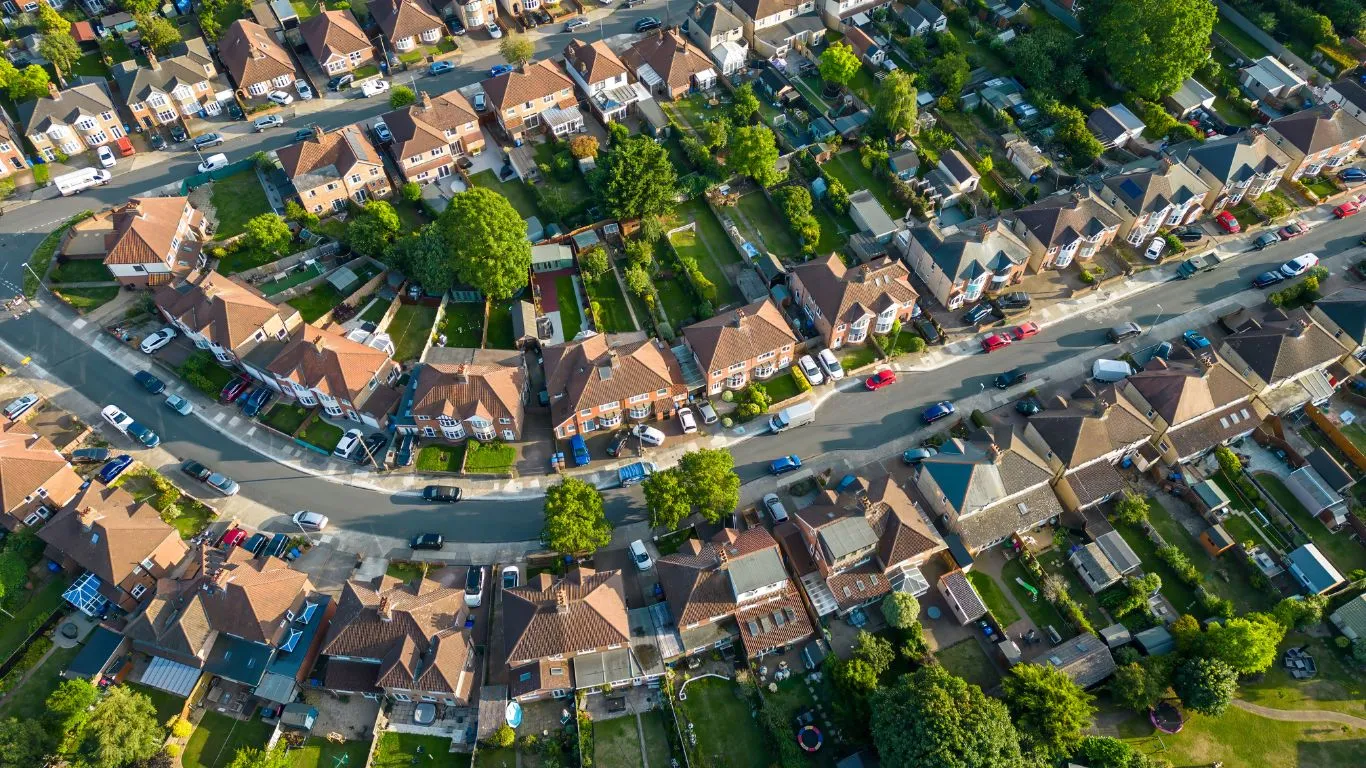
Urban residential quality is increasingly shaped by what lies beyond the walls of a home. While layout efficiency and interior finishes remain important, long-term livability is now closely tied to neighbourhood planning, infrastructure maturity, and the everyday ecosystems that surround residential developments. As Indian cities expand outward and upward, neighbourhood development trends play a decisive role in shaping how people experience urban life over time.
This evolution reflects a broader shift in buyer priorities. Homebuyers are no longer asking only how a home looks or how large it is. They are asking how the neighbourhood functions on a weekday morning, how easily daily errands fit into their routines, and how seamlessly professional, social, and personal lives intersect within a single geography.
The Rise of Integrated Urban Neighbourhoods
Modern neighbourhoods are being designed as integrated urban systems rather than fragmented residential pockets. Access to workplaces, schools, healthcare facilities, retail, and leisure spaces within a short travel radius has become a key indicator of residential quality. This trend is particularly evident in cities such as Pune, where decentralised growth has created multiple self-sustaining micro-markets.
Well-developed neighbourhoods reduce dependency on long commutes, which directly impacts physical health, mental well-being, and overall time efficiency. According to urban planning research by the Institute for Transportation and Development Policy, compact and mixed-use neighbourhoods are associated with higher quality-of-life indicators, including reduced stress and improved work-life balance.
Open Space as a Neighbourhood-Level Asset
While individual projects may offer internal green spaces, neighbourhood development determines how effectively residents engage with open environments on a daily basis. Areas planned with wider roads, pedestrian-friendly pathways, and interconnected green zones support a healthier urban rhythm.
A noticeable trend is the growing emphasis on vehicle management within residential precincts. Developments increasingly adopt vehicle-free internal zones, allowing neighbourhood spaces to prioritise people rather than traffic. This approach not only improves safety but also enhances acoustic comfort and air quality, both of which are essential to residential satisfaction in dense cities.
Vertical Living and the Evolution of Residential Typologies
As land availability becomes constrained in well-connected neighbourhoods, vertical living has evolved beyond conventional apartment formats. Duplexes, multi-level homes, and penthouses are gaining relevance among buyers seeking spatial differentiation without relocating to distant suburbs.
These residential typologies respond to a nuanced demand. Buyers want privacy, layered living spaces, and a sense of individuality, yet they also want proximity to urban conveniences. Neighbourhoods that can support this balance through zoning clarity, infrastructure capacity, and lifestyle amenities tend to attract more discerning buyers over time.
Social Infrastructure and Everyday Convenience
The quality of an urban neighbourhood is deeply influenced by the maturity of its social infrastructure. Schools, healthcare facilities, retail centres, and recreational hubs contribute to residential stability and long-term value appreciation. Importantly, proximity alone is no longer sufficient. Ease of access, traffic flow, and integration with residential zones are equally important.
Neighbourhoods that evolve organically around employment hubs often perform well on this front. Residents benefit from shorter commutes while enjoying access to malls, dining options, and cultural spaces that emerge to meet local demand. Over time, this creates a virtuous cycle in which residential quality and neighbourhood vitality reinforce one another.
A Contextual Reference from Pune’s Eastern Corridor
A relevant illustration of these neighbourhood-driven dynamics is evident at Joyville Sky-Luxe Hadapsar, where premium residential towers comprising duplexes and exclusive penthouses are located within a well-connected urban area. Spread across approximately nine acres with over 75 per cent open space and a vehicle-free podium, the development reflects how neighbourhood context influences residential design choices.
Its location within a socially and commercially active corridor allows residents to access workplaces, educational institutions, and retail destinations without compromising on spatial privacy or lifestyle comfort. This alignment between neighbourhood maturity and residential typology underscores why location-led planning remains central to urban housing quality.
The Role of Developers in Neighbourhood-Led Quality
Neighbourhood development does not occur in isolation. Developers play a critical role in shaping how residential projects integrate with their surroundings. Responsible planning considers traffic impacts, open-space continuity, and long-term infrastructure alignment, rather than focusing solely on project boundaries.
Shapoorji Pallonji Real Estate developers have consistently approached residential development through this wider urban lens, recognising that enduring residential quality depends on how well a project participates in its neighbourhood ecosystem. This perspective is increasingly associated with what buyers expect from the best real estate company operating in complex urban markets.
Residential Quality as a Neighbourhood Outcome
Urban residential quality is no longer defined by individual design features alone. It emerges from the interaction between homes, neighbourhood infrastructure, mobility patterns, and social spaces. As cities continue to densify, neighbourhood development trends will play an even greater role in shaping how residents live, connect, and thrive.
Homes that are thoughtfully positioned within well-planned neighbourhoods tend to age better, both functionally and in terms of value. For homebuyers, this means that choosing where to live is as much about understanding neighbourhood trajectories as it is about selecting the right floor plan. For cities, it reinforces a simple truth: better neighbourhoods create better homes.