
Despite how digitally forward most organisations are, printing is far from obsolete. In fact, in several industries, it is essential. Healthcare, logistics, legal services, education, manufacturing, and public sector bodies still rely on printed material every single day. Not out of habit, but because certain information simply works better when it exists physically.
Print is alive because it solves problems that digital tools alone cannot.
Where print is non-negotiable?
In hospitals, patient charts, consent forms, and medication instructions are often printed to avoid ambiguity. In logistics, packing lists and shipping labels must be readable in fast-moving, physical environments. Legal teams still depend on printed contracts for review, annotation, and sign-off. These are not edge cases. They are core operational needs.
This is where business printing solutions are typically positioned, supporting industries where accuracy, speed, and clarity directly affect outcomes. Print becomes part of the workflow rather than a separate task.
Bridging screen-based work with real-world execution
Most enterprise work starts digitally. Data is created, shared, and approved online. But execution often happens offline. Warehouse teams, site managers, auditors, and frontline staff need information they can carry, reference, and trust without logging into a system.
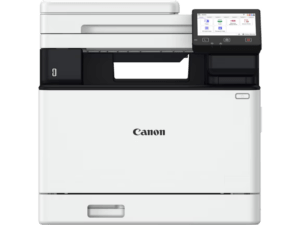
A reliable printer allows this handoff to happen smoothly. Teams can move from digital planning to physical execution without reformatting, rechecking, or second-guessing the output.
Reducing errors in high-pressure environments
In environments where mistakes are costly, printed documents add a layer of control. Checklists, schedules, and compliance records are easier to verify when they are visible and tangible. People spot errors faster on paper than on crowded screens, especially during long shifts or complex reviews.
Canon enterprise printers such as the imageFORCE C1333 series are often used in shared enterprise environments where consistency and reliability matter more than novelty. Stable print and scan speeds, along with support for mobile and cloud workflows, help teams work without friction. Built-in security and simple settings management reduce reliance on IT teams, ensuring fewer interruptions and smoother day-to-day operations.
Governance, accountability, and traceability
Print also plays a role in accountability. Signed documents, physical records, and controlled distribution still matter in regulated sectors. When printing is integrated properly, it aligns with IT policies rather than working around them.
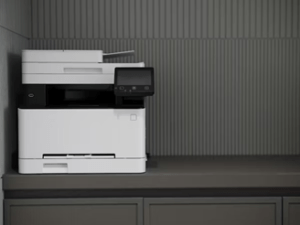
Enterprises continue to rely on Canon business printing solutions to maintain visibility over print activity and ensure access is controlled. In this context, a well-managed printer functions as a secure endpoint within the enterprise network, supporting governance requirements rather than creating potential gaps.
Printing remains relevant because work still happens in the physical world. For many enterprises, it is not about choosing between digital and print, but about using both where they make the most sense. When used deliberately, print continues to be a practical, dependable part of enterprise communication.