
For previous generations, cosmetic treatments were often viewed as something to consider later in life, typically after wrinkles had already formed and visible signs of aging had become difficult to ignore. Millennials, however, are rewriting that narrative. Rather than waiting for deeper lines to appear, many are embracing preventative Botox as part of a proactive approach to skincare, treating aging as something to manage early rather than correct later.
This shift reflects broader changes in how younger adults think about health, wellness, and self-care. Aging is no longer seen as a sudden transformation but as a gradual process that can be influenced by smart choices made over time.
Moving From Correction to Prevention
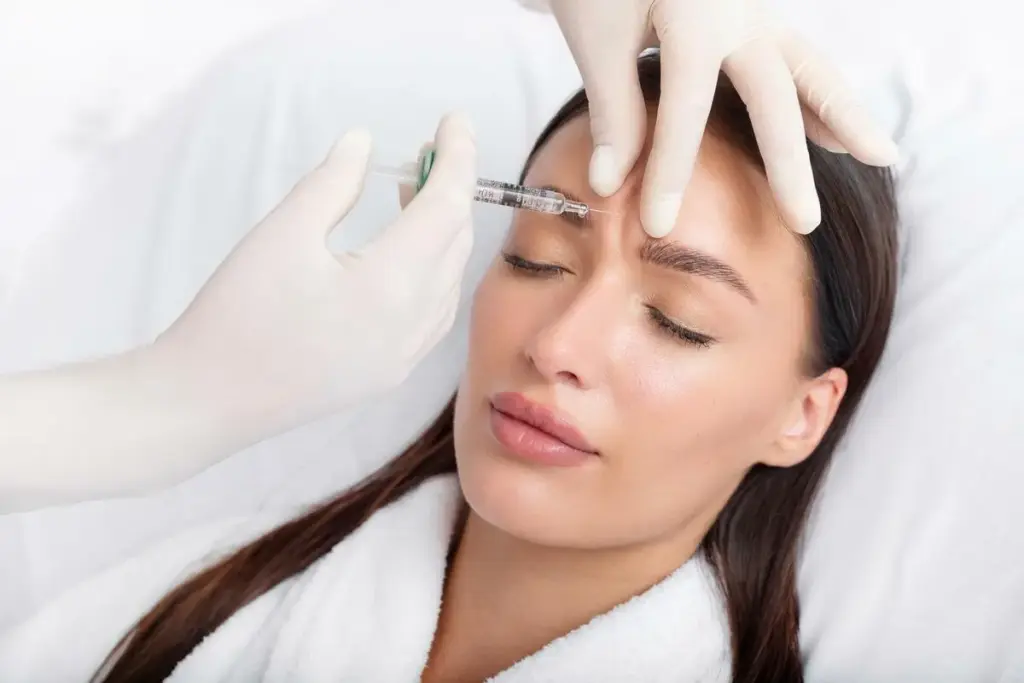
Traditional cosmetic procedures focused heavily on reversal. Patients would seek treatments once crow’s feet, forehead lines, or frown lines became prominent. Preventative Botox flips that mindset by targeting the repetitive muscle movements that eventually create wrinkles.
When administered carefully, Botox can help limit the formation of deep expression lines by relaxing specific facial muscles before they etch permanently into the skin. The goal is not to freeze the face but to maintain a natural, refreshed appearance for longer.
For millennials, a generation known for research-driven decision-making, this strategy aligns with the same logic applied to fitness, nutrition, and mental health: prevention is often easier and more effective than repair.
The Influence of Digital Culture
Social media has played a notable role in normalizing conversations around aesthetic treatments. Unlike older generations, millennials have grown up documenting their lives through photos and videos, making them more aware of subtle facial changes over time.
However, the shift is not purely about appearance. Increased transparency from qualified providers has helped demystify treatments that were once considered taboo. Educational content, practitioner insights, and patient experiences have contributed to a more informed audience that prioritizes safety and professionalism.
As a result, many individuals now seek reputable medical spas like Dermani MEDSPA®, where consultations focus on personalized treatment plans rather than one-size-fits-all enhancements. This emphasis on tailored care helps patients understand what preventative treatment can realistically achieve while maintaining natural facial movement.
Subtlety Is the New Standard
One of the biggest misconceptions about Botox is that it inevitably leads to an artificial look. In reality, modern techniques favor restraint. Millennials tend to request conservative dosing that preserves expression while softening the intensity of muscle contractions.
The desired outcome is often described as looking “well-rested” rather than noticeably altered. Friends and colleagues may sense that something positive has changed, but not be able to pinpoint exactly what it is.
A Long-Term Investment in Skin Health
Preventative Botox is increasingly viewed through the lens of long-term planning. Just as people invest in high-quality skincare products or commit to daily SPF use, early treatment can become part of a broader strategy to support skin longevity. There is also a financial perspective worth noting. Addressing fine lines early may reduce the need for more intensive procedures later, making it an appealing option for those who prefer gradual maintenance over dramatic intervention.
Wellness and Confidence Go Hand in Hand
Millennials tend to define self-care more expansively than previous generations. It is no longer limited to relaxation or occasional indulgence; it encompasses mental well-being, physical health, and personal confidence.
Feeling comfortable in one’s appearance can positively influence social interactions, professional presence, and overall self-assurance. For many, preventative treatments are less about chasing youth and more about aligning their outward appearance with how energetic and capable they feel internally.
This mindset helps explain why aesthetic treatments are increasingly discussed alongside other wellness practices rather than treated as separate or superficial pursuits.
Choosing the Right Provider Matters
As demand grows, so does the importance of selecting qualified professionals. Botox is a medical treatment that requires expertise, anatomical knowledge, and a patient-first approach to ensure results are both safe and natural-looking. The skill of the injector plays a significant role in how effective the treatment is and how well it aligns with the patient’s expectations.
Prospective patients should prioritize:
- Licensed and experienced injectors
- Thorough consultations
- Transparent discussions about risks and outcomes
- Treatment plans tailored to individual goals
A thoughtful provider will focus on education and realistic expectations, helping patients understand what Botox can achieve over time. Rather than encouraging unnecessary procedures, the emphasis should always be on subtle enhancement and long-term confidence. After all, reputable practitioners note that preventive Botox is not necessary for everyone. Factors such as genetics, skin type, lifestyle habits, and facial anatomy all influence how and when signs of aging develop.
Conclusion: Redefining What Aging Looks Like
Preventative Botox ultimately represents a cultural shift. Millennials are not trying to stop time; they are aiming to age in a way that feels intentional and supported. The conversation has moved away from secrecy toward empowerment, allowing individuals to make informed choices about their appearance without stigma.
As attitudes continue to evolve, preventative aesthetics are likely to become an increasingly normal part of adult self-care and less about vanity and more about maintaining confidence through every stage of life.